
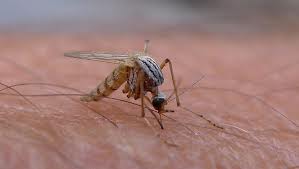
 State Health Officials announced the Eastern Equine Encephalitis (EEE) virus has been detected in a mosquito for the first time this year in Massachusetts .
According to a press release, the mosquito samples were collected on September 25th in Northbridge. The finding raises the risk level in the town to LOW. According to officials the finding does not include a recommendation to avoid evening outdoor events at this time.
Senator Michael Moore and Representative David Muradian both isused statements about the finding to their constituents today.
“Even though cooler weather has started to arrive, please remember to be cognizant of mosquitoes when outdoors… The overall risk level remains quite LOW but I thought it couldn’t hurt to remind everyone to be careful.” said Moore.
“It is important to know that there have been no human cases of EEE so far this year,” said Muradian. “…however, personal protection from mosquitoes remains a high priority,” he said.
press release below
STATE HEALTH OFFICIALS ANNOUNCE FIRST EEE-POSITIVE MOSQUITO OF THE SEASON
BOSTON – Wednesday, September 30, 2015 – The Massachusetts Department of Public Health (DPH) today announced that Eastern Equine Encephalitis (EEE) virus has been detected in a mosquito in Massachusetts for the first time this year. Testing was completed at the Massachusetts State Public Health Laboratory.
The mosquito samples were collected on September 25th in the town of Northbridge in Worcester County. This finding raises the risk level in the town of Northbridge to low. This is a routine risk level change and does not include a recommendation to avoid evening outdoor events at this time; but personal protection from mosquitoes remains a high priority.
“While this is very late for our first confirmation of EEE in Massachusetts, it is a reminder that we remain in season for possible transmission of mosquito-borne illnesses,” said State Public Health Veterinarian Dr. Catherine Brown. “Residents need to continue to take steps to protect themselves against mosquito bites: use insect repellant, cover up, and avoid outdoor activities at dusk and after nightfall when mosquitoes are at their most active.”
There have been no human cases of EEE so far this year. There were no cases of EEE acquired by a Massachusetts resident in 2014, and one identified case in 2013. The first identifications of EEE in mosquitoes have historically occurred in July and early August.EEE is a rare but serious and potentially fatal disease that can affect people of all ages. EEE is generally spread to humans through the bite of an infected mosquito. People have an important role to play in protecting themselves and their loved ones from illnesses caused by mosquitoes.
Avoid Mosquito Bites
Apply Insect Repellent when Outdoors. Use a repellent with DEET (N, N-diethyl-m-toluamide), permethrin, picaridin (KBR 3023), oil of lemon eucalyptus [p-methane 3, 8-diol (PMD)] or IR3535 according to the instructions on the product label. DEET products should not be used on infants under two months of age and should be used in concentrations of 30% or less on older children. Oil of lemon eucalyptus should not be used on children under three years of age.Be Aware of Peak Mosquito Hours. The hours from dusk to dawn are peak biting times for many mosquitoes. Consider rescheduling outdoor activities that occur during evening or early morning.
Clothing Can Help Reduce Mosquito Bites. Wearing long-sleeves, long pants and socks when outdoors will help keep mosquitoes away from your skin.Mosquito-Proof Your Home
Drain Standing Water. Mosquitoes lay their eggs in standing water. Limit the number of places around your home for mosquitoes to breed by either draining or discarding items that hold water. Check rain gutters and drains. Empty any unused flowerpots and wading pools, and change water in birdbaths frequently.
Install or Repair Screens. Keep mosquitoes outside by having tightly-fitting screens on all of your windows and doors.Protect Your Animals
Animal owners should reduce potential mosquito breeding sites on their property by eliminating standing water from containers such as buckets, tires, and wading pools – especially after heavy rains. Water troughs provide excellent mosquito breeding habitats and should be flushed out at least once a week during the summer months to reduce mosquitoes near paddock areas. Horse owners should keep horses in indoor stalls at night to reduce their risk of exposure to mosquitoes. Owners should also speak with their veterinarian about mosquito repellents approved for use in animals and vaccinations to prevent WNV and EEE. If an animal is diagnosed with WNV or EEE, owners are required to report to DAR, Division of Animal Health by calling 617-626-1795 and to the Department of Public Health (DPH) by calling 617-983-6800.More information, including all WNV and EEE positive results, can be found on the Arbovirus Surveillance Information web page atwww.mass.gov/dph/mosquito or by calling the DPH Epidemiology Program at 617-983-6800.

 UPTON DAILY